

The daily impact of water, and who is most exposed to what it carries
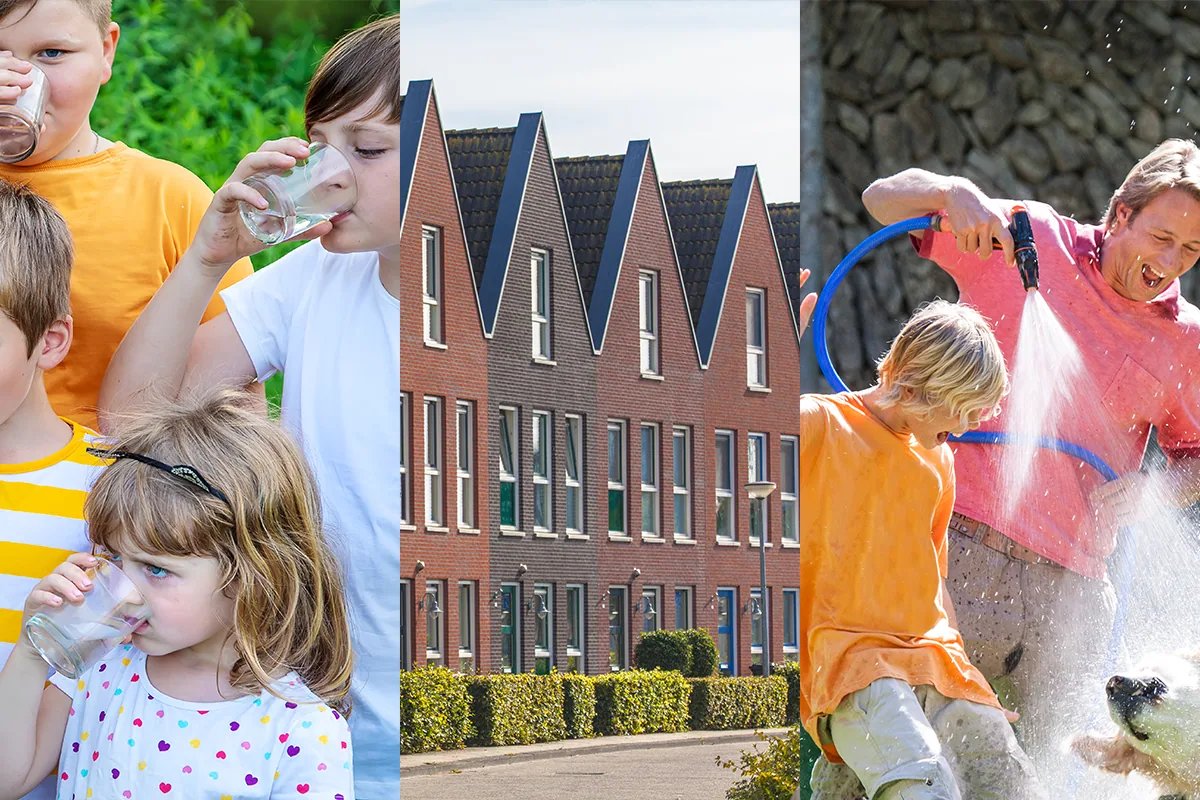
Water is central to our lives. Whether we are cooking dinner, washing hands, taking a shower or simply filling a glass, we are constantly using it. Beyond being essential for health, water touches nearly every aspect of a daily routine.
Because water is so critical, any contaminant it carries can significantly affect health and wellbeing. These risks are not theoretical. They are very real, especially for vulnerable populations: young children, the elderly, and immunocompromised individuals.
Low-income communities and waterborne illness
Susceptibility to waterborne illness is not limited to those with a physiological vulnerability. Systemic inequalities mean residents of affordable housing communities often face disproportionate water quality challenges, stemming from:
- Ageing municipal infrastructure that fails to properly deliver safe drinking water.
- Neglected building plumbing systems that harbour biofilms.
- Disproportionately high rates of exposure to contaminants in water systems across low-income areas of the United States.
The consequences of poor water quality compound for low-income communities. The Centers for Disease Control and Prevention found that individuals in high-poverty areas are 2.5 times more likely to contract Legionnaires' disease than those in higher-income neighbourhoods.
Legionnaires' disease, a severe and sometimes fatal form of pneumonia, is caused by Legionella bacteria, which thrive in biofilms and spread through plumbing systems. For people living in poverty, the impact of this and other waterborne diseases is exacerbated by socioeconomic disadvantage: limited access to healthcare or health insurance, the inability to take paid sick leave and the lost wages that follow, and greater difficulty affording alternative measures like bottled water or filtration.
A centralised solution for affordable housing
For affordable housing communities, point-of-entry UV water purification offers an effective, centralised answer. These systems purify water as it enters the building, so that every tap, shower and fountain delivers clean, safe water.
- Safe and effective disinfection. UV technology uses light to destroy bacteria, viruses and protozoa without chemicals or additives, making it one of the healthiest disinfection methods available.
- Infrastructure protection. By preventing microbially induced corrosion and biofilm buildup, UV extends the life of plumbing systems, even in older or poorly maintained buildings.
- Environmental benefit. A centralised system reduces reliance on plastic bottles, cutting waste and microplastics.
- Healthier living for tenants. Purified water at the point of entry means safer water for everyone in the building, particularly those most susceptible to waterborne illness.
Building a healthier future
Affordable housing deserves more than just affordability. It deserves safe, sustainable living conditions for its residents. By addressing water quality through solutions like UV purification, we can help bridge the gap in health disparities and create cleaner, healthier environments for those who need them most.