

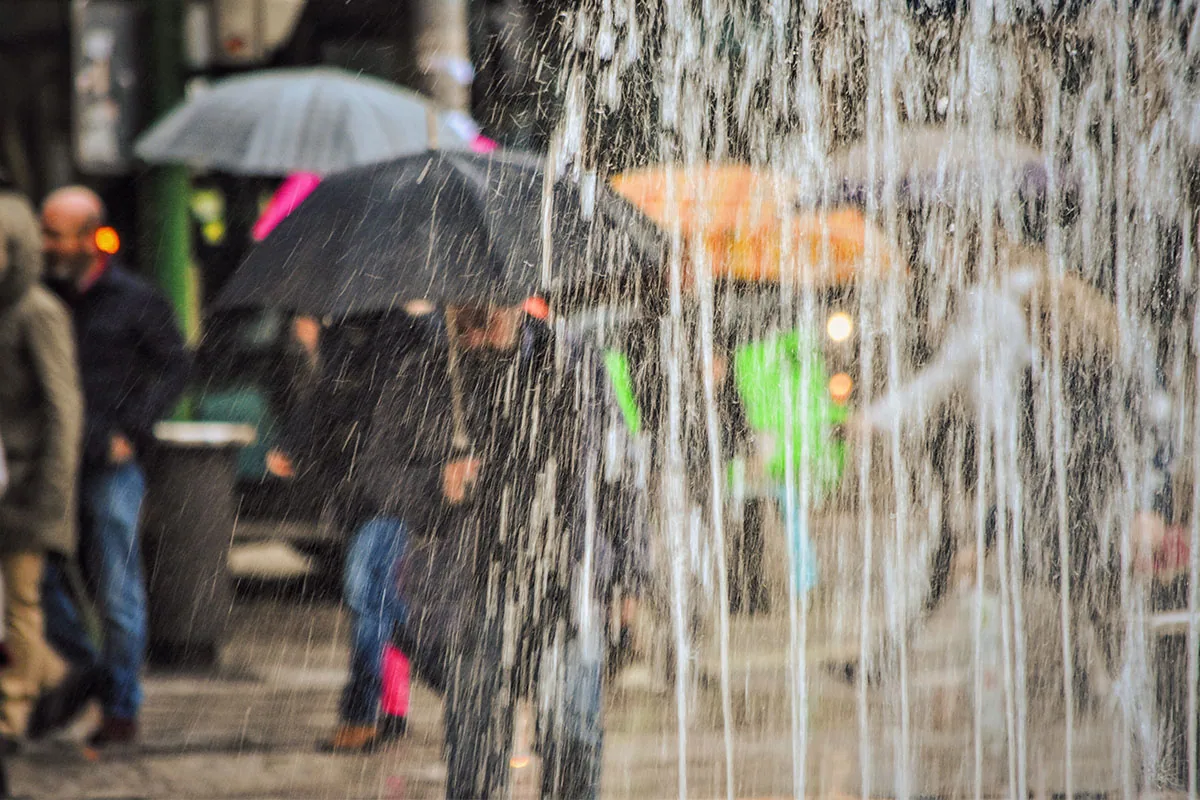
Extreme weather compromises a building's water long after the roads dry out.
Rain and heavy storms are known for shutting down events, flooding roads and knocking out power. They can disrupt a building's water safety too. From Legionella lurking in plumbing systems to spikes in E. coli after flooding, extreme weather events can severely compromise water quality — and for communities where large populations depend on a shared water system, the stakes are higher still.
How storms affect building water systems
Tropical cyclones, heavy rainfall and strong winds increase the risk of bacterial contamination in water supplies by:
- Overwhelming sewage and drainage systems.
- Flooding and damaging local infrastructure.
- Increasing runoff from contaminated surfaces — roads, agricultural areas — into water supplies.
- Disrupting normal water usage patterns, allowing stagnation and biofilm growth in pipes.
Pathogenic risks after storms
Analysis of storms across the United States reveals many increased pathogen exposures following extreme weather. These do not peak immediately. They follow a lag effect, with cases rising days or weeks after the storm and catching facilities off-guard — it takes time for pathogens to cause infections and for health authorities to detect them.
Legionella
Hospitalisations for Legionnaires' disease increased by 42% two weeks after a major storm. In areas where more than 75% of the population was storm-exposed, cases continued rising for three weeks. Legionella thrives in warm, stagnant water and in biofilms — all conditions made worse by post-storm disruption.
E. coli
Cases spiked 48% one week after storms, especially where rainfall exceeded 100 mm. E. coli typically enters systems through stormwater runoff or cross-contamination during infrastructure damage.
Cryptosporidium
Storm weeks saw a 52% increase in cases. This chlorine-resistant protozoan reaches elevated levels during storms because of runoff from agricultural areas and septic systems. It is especially dangerous because it survives in municipal supplies unless filtered or inactivated by ultraviolet light.
Proactive steps building owners can take
- Install a point-of-entry disinfection system, such as UV, to create a biological barrier before water circulates through the building.
- Assess storm risk in your area and monitor historical trends, especially if the property has ageing infrastructure.
- Build storm resilience into your water safety plan, including backup power for water treatment systems and routine Legionella risk assessments.
Storms are unpredictable. Your water quality response should not be. Prepare the building for the next storm before it hits.