


More than just sunburn: the many uses of UV light
When we hear "UV", many of us think of sunscreen or sunburn. Ultraviolet light is a fascinating part of the electromagnetic spectrum with applications that extend far beyond either. Here is what UV light is, how it works, and some of its many uses.
What is UV light?
All light energy is a form of electromagnetic radiation, categorised by its wavelength. Ultraviolet light has a wavelength shorter than visible light but longer than X-rays. It lies in the range of 10 to 400 nanometres and is invisible to the human eye. The UV spectrum divides into three main categories.
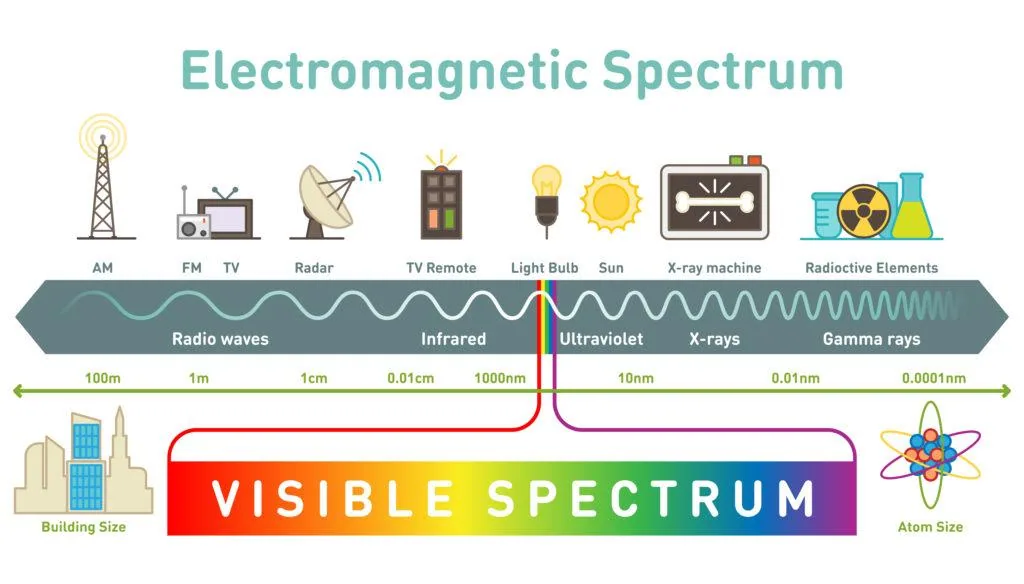
- UVA, 320–400 nm. Long-wave UV, which makes up about 95% of the UV radiation reaching the Earth's surface. It penetrates deeper into the skin, contributing to ageing and long-term skin damage.
- UVB, 280–320 nm. Medium-wave UV, which causes sunburn and carries more energy than UVA. It is largely absorbed by the atmosphere, but some still reaches the surface.
- UVC, 100–280 nm. Short-wave UV, the most energetic and potentially the most harmful. It is absorbed by the ozone layer and does not reach the surface.
The primary natural source of UV light is the sun. We can also produce it from artificial sources using specialised bulbs — traditionally mercury lamps, though modern innovation has led to UV LEDs as well. Artificial UV light is used in specialised industrial and medical settings.
What does UV light do?
UV light works by exciting electrons in atoms and molecules, causing chemical changes or reactions. This may be beneficial or harmful depending on the context. In small doses, UVB helps the skin produce vitamin D, which is crucial for bone health. Excessive exposure can damage DNA, leading to skin cancer and other health issues.
One of the most significant uses of UV light is disinfection and sterilisation. UVC in particular is effective at inactivating bacteria, viruses and other pathogens by damaging their DNA, RNA and proteins, rendering them unable to reproduce and cause infection. That makes it an invaluable tool across a range of applications.
Air and water purification
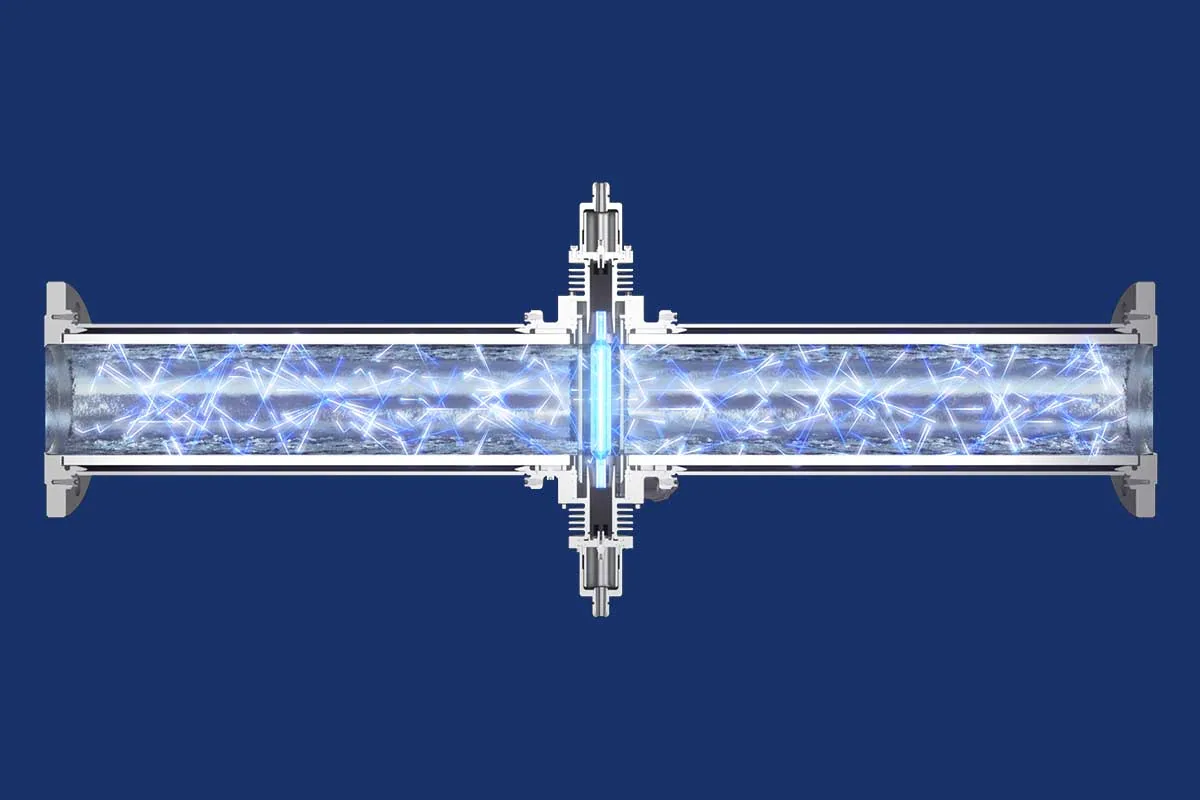
UV treatment is employed by water treatment facilities to destroy microorganisms without adding chemicals. UV air purifiers are used in HVAC systems to improve indoor air quality by eliminating airborne pathogens.
Medical applications
UV light is used to sterilise surgical equipment, and in phototherapy for certain skin conditions.
Curing and coating
UV curing uses ultraviolet light to harden materials such as inks or adhesives. It is a fast and energy-efficient method, popular in manufacturing and printing — and familiar to anyone who has had a salon manicure.
Pest control in agriculture
UV light influences plant growth and development, and can be used to control pests and pathogens in greenhouses, reducing the need for chemical pesticides.
What are the benefits and risks of UV light?
UV light has a key role in human health. UVB radiation is an important component in the production of vitamin D: when it penetrates the skin it triggers vitamin D synthesis, which is essential for calcium absorption and bone health. Vitamin D also reduces the risk of certain diseases, including multiple sclerosis and some cancers.
Sunlight exposure is known to improve mood and combat seasonal affective disorder — depression that occurs at certain times of the year, usually in winter when sunlight is limited. UV light helps regulate the production of serotonin, a neurotransmitter that influences mood.
UV light also carries risks. Excessive exposure, especially to UVB and UVA, can lead to skin damage, premature ageing and an increased risk of skin cancer. That is why protective measures such as sunscreen, clothing and sunglasses matter.
Conclusion
Ultraviolet light is a powerful and versatile part of the electromagnetic spectrum with applications that touch daily life, from health and safety to technology and industry. Understanding its benefits and risks lets us harness its potential while protecting ourselves from its harmful effects. The next time you think about UV light, remember that it is much more than the culprit behind sunburn.