

Safeguarding water from source to tap, using many layers of protection
Ensuring safe drinking water is one of the most critical responsibilities in protecting public health. A key principle in achieving it is the multi-barrier approach to water quality management. The strategy safeguards water from source to tap using many layers of protection, and is a core tenet of water treatment in Canada, New Zealand, Norway, Germany, Switzerland, the United Kingdom and Denmark.
Why use a multi-barrier approach?
The approach rests on two foundational truths. The first is that no single barrier is effective against all risks: chlorine is excellent at inactivating bacteria and viruses but has limited effectiveness against protozoa like Cryptosporidium and Giardia. The second is that each barrier acts as a fail-safe for another — if one step is compromised, the others remain in place to reduce the risk of contamination reaching the public.
This layered defence is critical to public health, so it must be robust enough to withstand a wide variety of threats, from common everyday risks to rare emergency events.
Barrier one: source water protection
Keeping lakes, rivers, streams and groundwater clean is the first line of defence. That means preventing runoff pollution, managing land use around water sources, and reducing industrial or agricultural discharges. It is also essential that wastewater is properly treated before being discharged into the environment — inadequately treated wastewater introduces harmful contaminants into source water, undermining the entire process from the start.
Barrier two: filtration
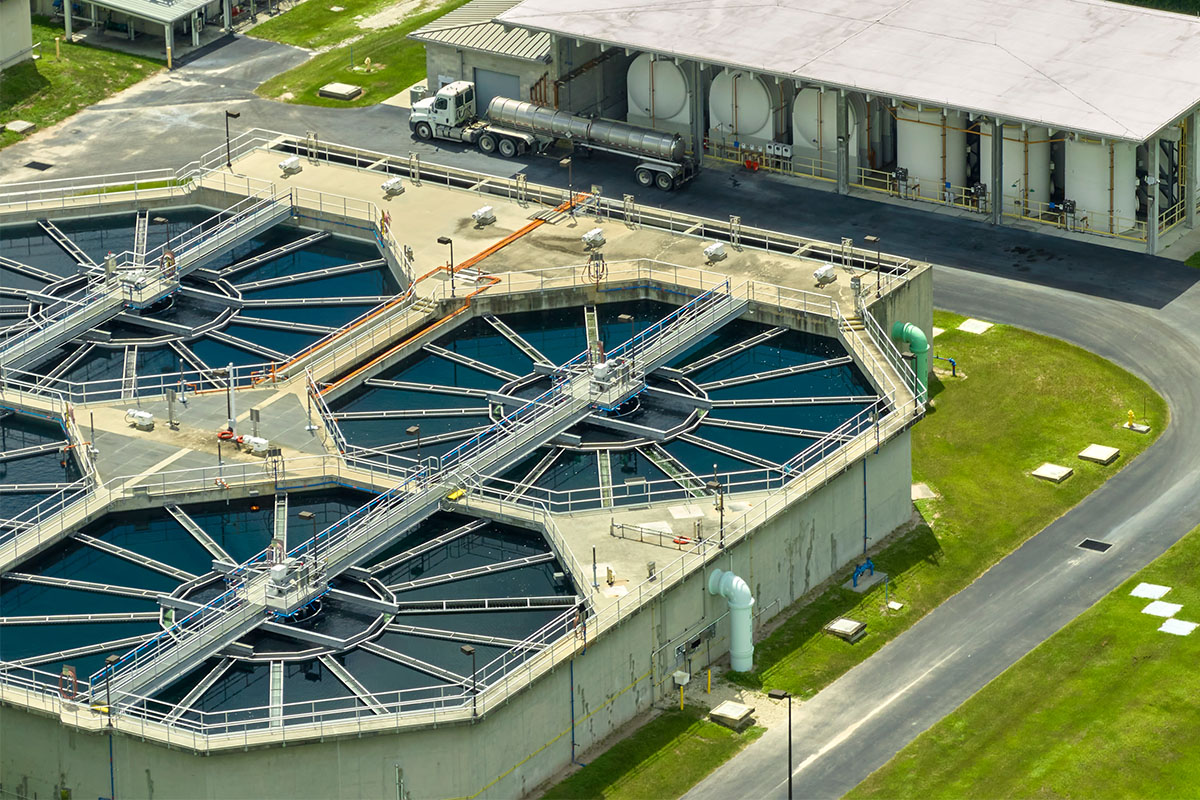
Treatment plants use a combination of physical and chemical processes to remove particulate from water.
- Screening removes large debris.
- Coagulation and flocculation help small particles stick together for easier removal.
- Filtration captures finer particles, and is often done in multiple steps.
Barrier three: disinfection
Disinfection targets microorganisms — bacteria, viruses, protozoa — that survived the earlier steps. Chlorination damages cell membranes and DNA, preventing microbial growth. Ultraviolet disinfection destroys DNA, RNA and proteins, inactivating a broad spectrum of pathogens including chlorine-resistant protozoa.
Using complementary methods strengthens the system further. UV and chlorine together create a synergistic effect through the creation of free radicals that further reduce microbial viability, enhancing overall effectiveness and offering redundancy in pathogen control.
Barrier four: protecting treated water
Once water has been treated and disinfected, it has to stay protected as it travels through distribution networks.
- Storage reservoirs must remain secure and sanitary.
- Pipes should be clean, well maintained and free from leaks.
- Any repairs must be carried out with proper hygiene.
- Backflow prevention devices stop contaminated water re-entering the system.
- A chlorine residual in the pipes provides ongoing protection against microbial regrowth.
The Swiss cheese model: layers that catch what others miss
To visualise how the approach works, it is often compared to the Swiss cheese model. Each slice — each barrier — may have holes, but the alignment of multiple slices means no single failure allows contamination through. A contaminant would need to pass through every layer to reach the consumer, which is unlikely if the system is functioning properly.
The Swiss cheese model shows how a series of barriers, each with unique holes or weaknesses, can be effective against diverse contaminants when combined.
Risk-based planning and resilience
At its core the multi-barrier approach is risk-based: identifying potential hazards at each stage of the supply chain and applying specific, effective controls to mitigate them. Tools like Water Safety Plans or hazard analysis frameworks formalise the process and are key to proactive management.
The approach also establishes resilience against an evolving landscape of threats. Climate change is intensifying the frequency of wildfires, floods and extreme weather, all of which introduce new or unexpected contaminants into water sources. Ageing infrastructure means some distribution systems are more prone to leaks and contamination — a risk especially relevant to under-resourced communities and areas with very old pipe networks.
Building-level solutions: a critical barrier
Because water often travels long distances from treatment plants to the tap, there is always a risk of contaminants being introduced during distribution. That is why point-of-entry treatment systems for individual buildings are a crucial part of the strategy. They add a layer of protection just before water enters a home or facility, address contamination occurring after municipal treatment — especially important where pipes are ageing or infrastructure fails frequently — and enhance safety and peace of mind for owners and residents.
Protecting vulnerable populations
Certain buildings and communities are at greater risk of waterborne disease, either through exposure to infrastructure-related issues or because of the health status of their occupants. Affordable housing developments often face disproportionate risk from outdated plumbing or poor maintenance. Schools, hospitals and senior living facilities house individuals who are more susceptible to waterborne illness. For these settings, a point-of-entry UV system within a broader multi-barrier framework significantly increases resilience and improves public health outcomes.
Beyond infrastructure
A successful multi-barrier approach relies on more than equipment. It needs strong legislative and policy frameworks to regulate treatment processes, public involvement and awareness to ensure ongoing vigilance, and continuous research and innovation to stay ahead of emerging threats.
The multi-barrier approach is more than a technical strategy. It is a comprehensive philosophy for delivering safe, reliable drinking water. By combining treatment processes, protective infrastructure, building-level solutions and robust risk management, we can create resilient water systems that adapt to challenges and serve communities for generations.