


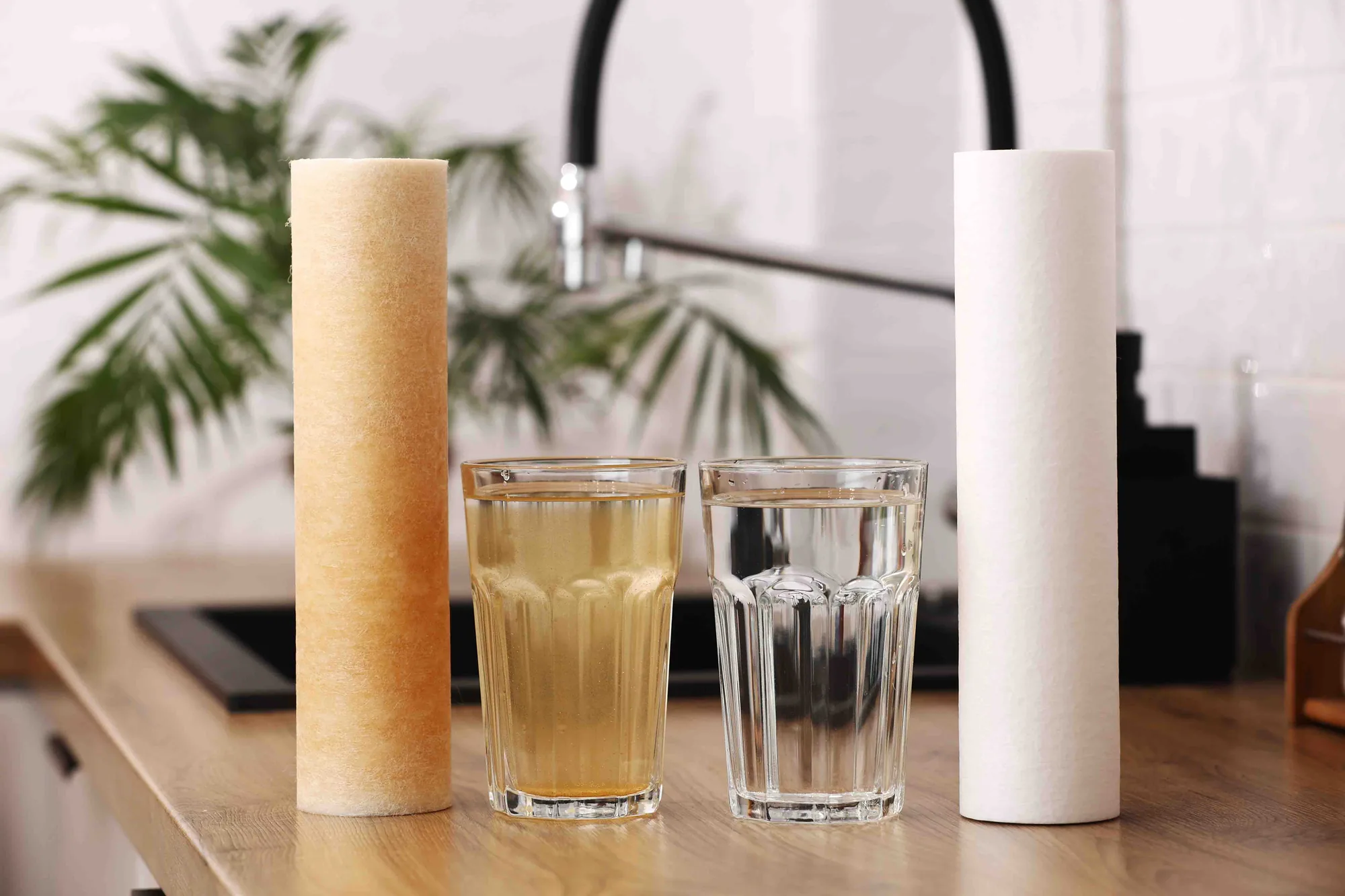
The hidden risks of point-of-use filters, and what you need to know
Point-of-use filters are commonly seen as a convenient and effective way to improve drinking water. Attached directly to household taps or showers, they promise better taste, odour and clarity. Beneath the surface lies a potential for biological risk that many people are not aware of.
What are point-of-use filters?
Point-of-use filters are devices installed at specific locations — a kitchen tap, a shower — to filter water at the point where it is consumed. They use various technologies to remove contaminants and improve water quality.
- Activated carbon filters, popular for their ability to remove chlorine, organic compounds and certain metals, improving taste and odour.
- Reverse osmosis systems, which use a semi-permeable membrane to remove a wide range of biological and chemical contaminants including bacteria and viruses.
- Ceramic filters, often used to filter out sediment and microbial cysts, providing a physical barrier against larger particles and some microorganisms.
The biological risks associated with POU filters
Filters, by their very nature, can significantly contribute to biofilm formation — primarily because of the extensive surface area they provide. Point-of-use filters, especially those containing activated carbon, are highly porous and offer a very large surface area for contaminants to adhere to. The same tiny pores and crevices that adsorb organic compounds and improve taste also create countless niches where bacteria can settle and form biofilms. Those biofilms are protected by the filter's matrix and persist through regular water flow, making them difficult to eliminate without thorough cleaning or replacement.
The removal of chlorine and other disinfectants by the filter — the very compounds present in tap water to inhibit microbial growth — leaves those surfaces even more susceptible to colonisation. Over time, as bacteria grow and multiply within the biofilm, they can be released into the filtered water, raising bacterial counts and reducing water quality.
There is evidence that bacterial densities may increase by 10 to 100 times after water passes through activated carbon-containing point-of-use devices (Wallis et al., 1974). The effect is even stronger after an overnight period of non-use.
Several factors influence the formation and growth of biofilms in these filters.
- Time in operation. The longer a filter is in use, the more likely biofilms are to form.
- Stagnation time. Periods of non-use allow bacteria to multiply within the filter.
- Temperature. Warm conditions accelerate bacterial growth.
- Organic carbon. Activated carbon surfaces adsorb organic compounds that then serve as nutrients for bacteria.
Biofilms in point-of-use filters can harbour opportunistic pathogens including Pseudomonas aeruginosa, Aeromonas hydrophila and Mycobacteria. These bacteria are capable of causing infections, particularly in immunocompromised individuals and other vulnerable groups such as young children and the elderly. Their presence does not necessarily pose a significant health risk to the general population, but it does make regular maintenance and proper monitoring critical.
Most studies of water quality from point-of-use devices have been performed in laboratory settings, and field studies under actual use conditions in homes and other buildings are limited. The real-world performance and risks are therefore not fully understood, and additional research is required to fill that gap.
Mitigating the risks
The simplest and most effective step is regular maintenance and filter replacement. Adhering to the recommended maintenance schedule, changing cartridges on time and periodically cleaning the filter housing all help prevent biofilm buildup and reduce the risk of pathogen accumulation.
The second is monitoring and testing. Regular testing validates that a filter is working and, more importantly, confirms it is not worsening water quality. Common things to test for include coliforms, E. coli and biofilm-associated bacteria.
The third is choosing the right system in the first place. The contaminants actually present in your water, the flow rate and the maintenance requirements all matter. Most point-of-use filters need maintenance every three months, which is worth knowing before purchase. Some systems have built-in antimicrobial measures — copper nanoparticles, silver nanowire, UV sterilisation — which enhance effectiveness and may reduce maintenance requirements.
Conclusion
While point-of-use filters may offer improved water quality, it is essential to be aware of the biological risks they can pose. The data shows that these devices may inadvertently promote bacterial growth. The very system people rely on for improved purification is, in many cases, creating worse water quality and posing a health risk. That is what makes regular maintenance, proper usage and consistent monitoring the difference between a filter that helps and one that does not.