

Environmental sustainability is the new standard. It has a hidden side.
Since the launch of the US Green Building Council's LEED system in 1998, green building practices have reshaped modern construction. Designed to incentivise sustainability, LEED certification has become the gold standard for environmentally responsible design, covering everything from energy efficiency to water conservation.
But there is a hidden side to water-saving efforts in these buildings that deserves more attention: public health risks linked to water quality. As we continue to embrace environmental, social and governance goals, it is worth examining how some well-intended design choices may unintentionally create conditions that put occupants at risk.
The rise of water efficiency in green design
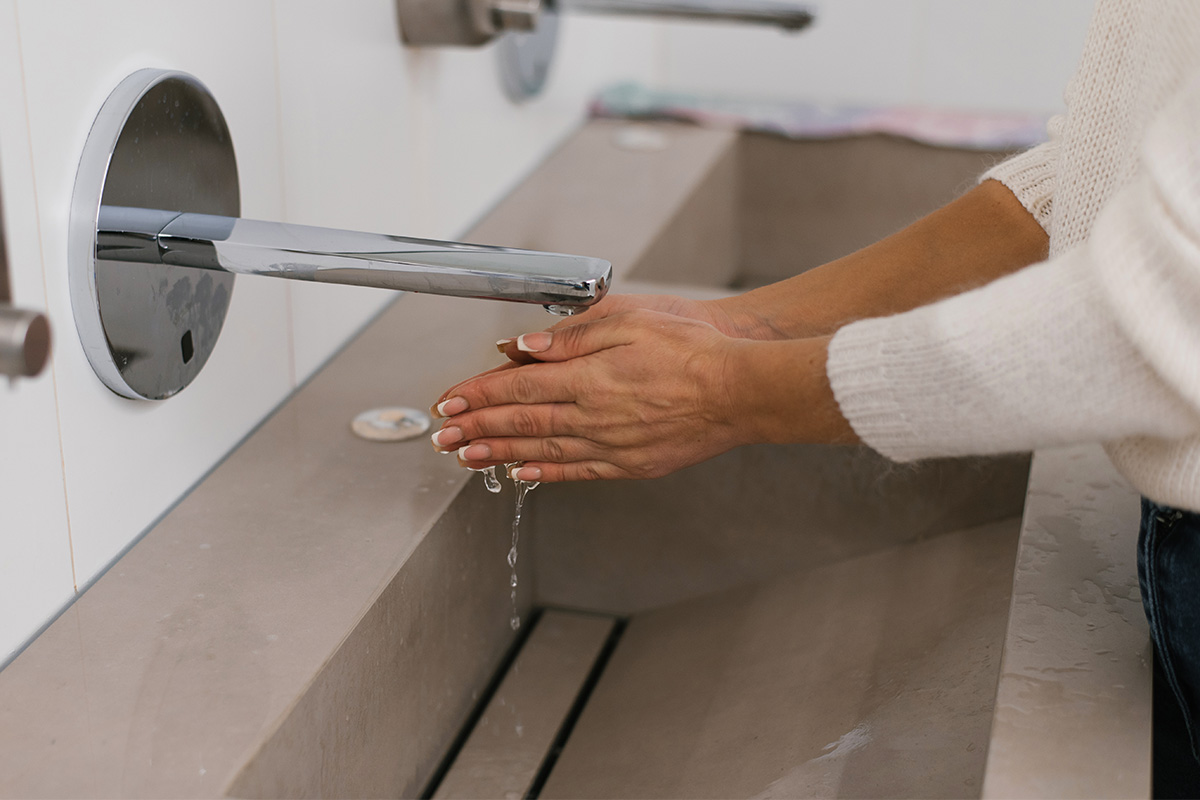
Water conservation is a central focus of standards like LEED. Projects earn certification points by installing rainwater harvesting and greywater reuse systems, efficient irrigation, and low-flow toilets, showerheads and taps.
These measures are crucial for reducing our water footprint, especially in drought-prone areas, and they have made a measurable difference. Toilets have gone from using over 5 gallons per flush in the 1980s to as low as 1.28 today — a 74% reduction. Taps, showerheads, dishwashers and washing machines have seen similar improvements.
But with all this progress, we are encountering a new challenge: decreased water use can lead to degraded water quality.
How water conservation can backfire
Water in buildings does not just flow. It rests. The time it takes water to travel from the treatment plant to your tap is known as water retention time, or hydraulic residence time. Longer retention times, especially within building plumbing — premise plumbing — cause water to stagnate, and stagnation becomes a breeding ground for opportunistic pathogens like Legionella and Pseudomonas aeruginosa.
Why is this happening in green buildings? Three causes compound each other.
- Low-flow fixtures lead to slower water movement, and therefore higher retention time.
- Larger pipes sized for higher flow — often for fire suppression systems — mean more volume and more stagnation.
- Reduced hot water temperatures for energy savings create ideal conditions for microbial growth.
Water age: the forgotten risk factor
Water age is how long water has been sitting in a system. Centralised distribution systems are designed for high throughput, but premise plumbing in green buildings often has much higher water ages — weeks or even months in some low-use areas.
Older water tends to have lower disinfectant residuals, higher pipe corrosion risk especially in copper, greater amounts of leached metals, unpleasant taste and odour, and increased microbial regrowth.
Ironically, when these buildings try to solve water quality problems with routine flushing, it appears wasteful — conflicting with the very green principles they were built on.
What can be done?
At Clear we believe sustainability and public health should go hand in hand. Water conservation should not come at the cost of water safety. Building owners and designers can mitigate the risk.
- Shorten pipe runs and avoid dead ends in plumbing.
- Right-size the plumbing: smaller diameter pipe maintains water velocity.
- Install recirculating systems that maintain temperature and flow, designed with pathogen growth prevention in mind.
- Use materials with lower biofilm potential, such as copper.
- Maintain water quality at the point of entry with robust disinfection technology.
Rethinking green water
Green buildings have transformed the way we think about sustainability. But as the number of certified buildings continues to climb — from under 7,500 in 2010 to over 75,000 by 2014 — it is critical to understand the unintended trade-offs those designs carry.
Water conservation is crucial. Clean, safe water is non-negotiable. By incorporating strategies that prioritise both efficiency and quality, we can build healthier and more sustainable communities.